SUNLU · 5 min read
Best 3D Printer Filaments and Accessories for Home Makers
A practical look at six filaments and one filament dryer for home makers, based on the listed specs, strengths and cautions for each.
Short on time?
Our top picks
Chosen from products we have reviewed. The reasoning is in the guide below.
Best value
SUNLU
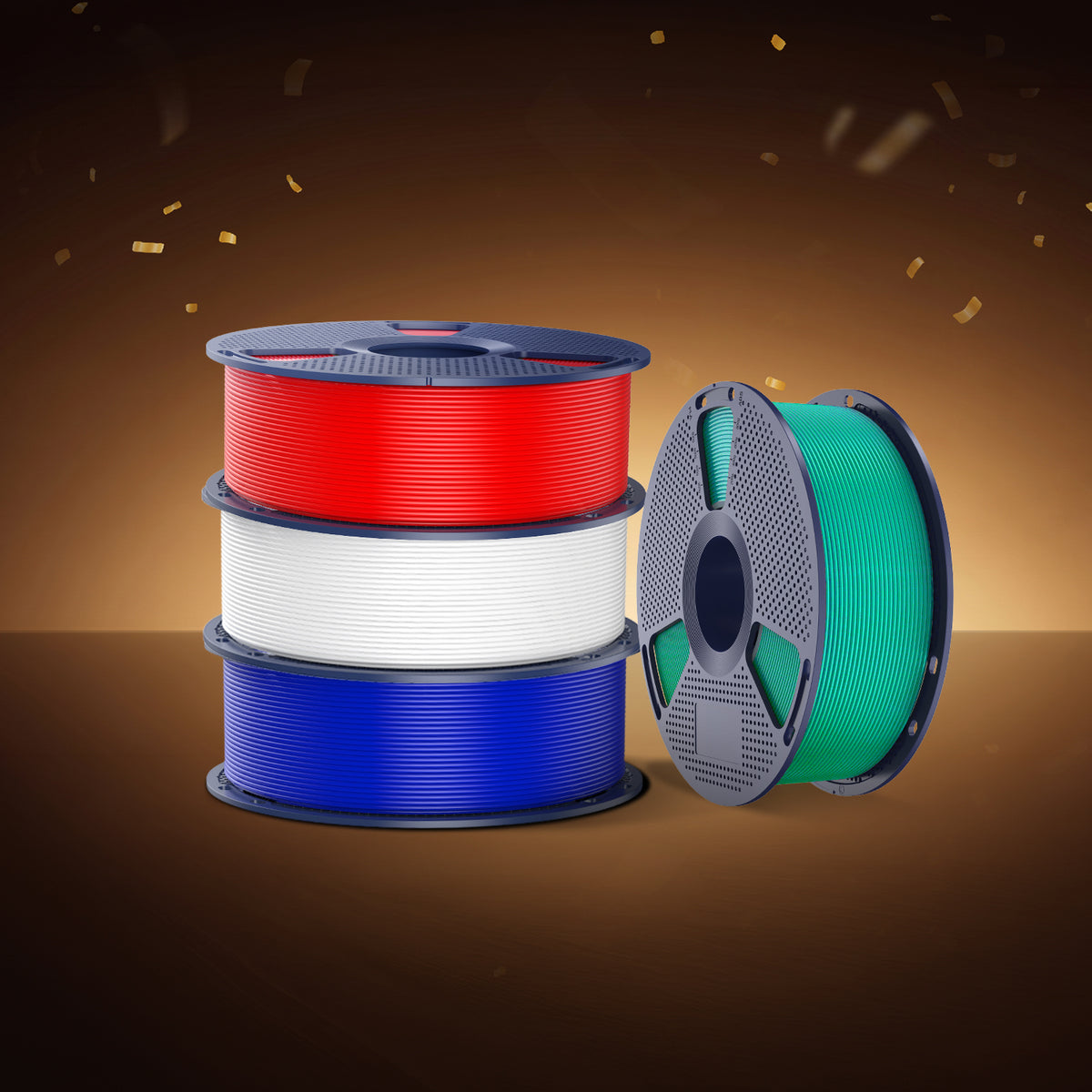
SUNLU PLA+(PLA Plus) 3D Printer Filament 1KG
[SUNLU 100% Wound Neatly Filament] SUNLU-owned tech has mastered advanced technology and produced 100% Neatly Wound PLA PLUS/PLA+ Filament, which is impossible for other brands. No knot, no winding, improve printing efficiency.
$18.99 $11.59
Best for drying and storage
SUNLU
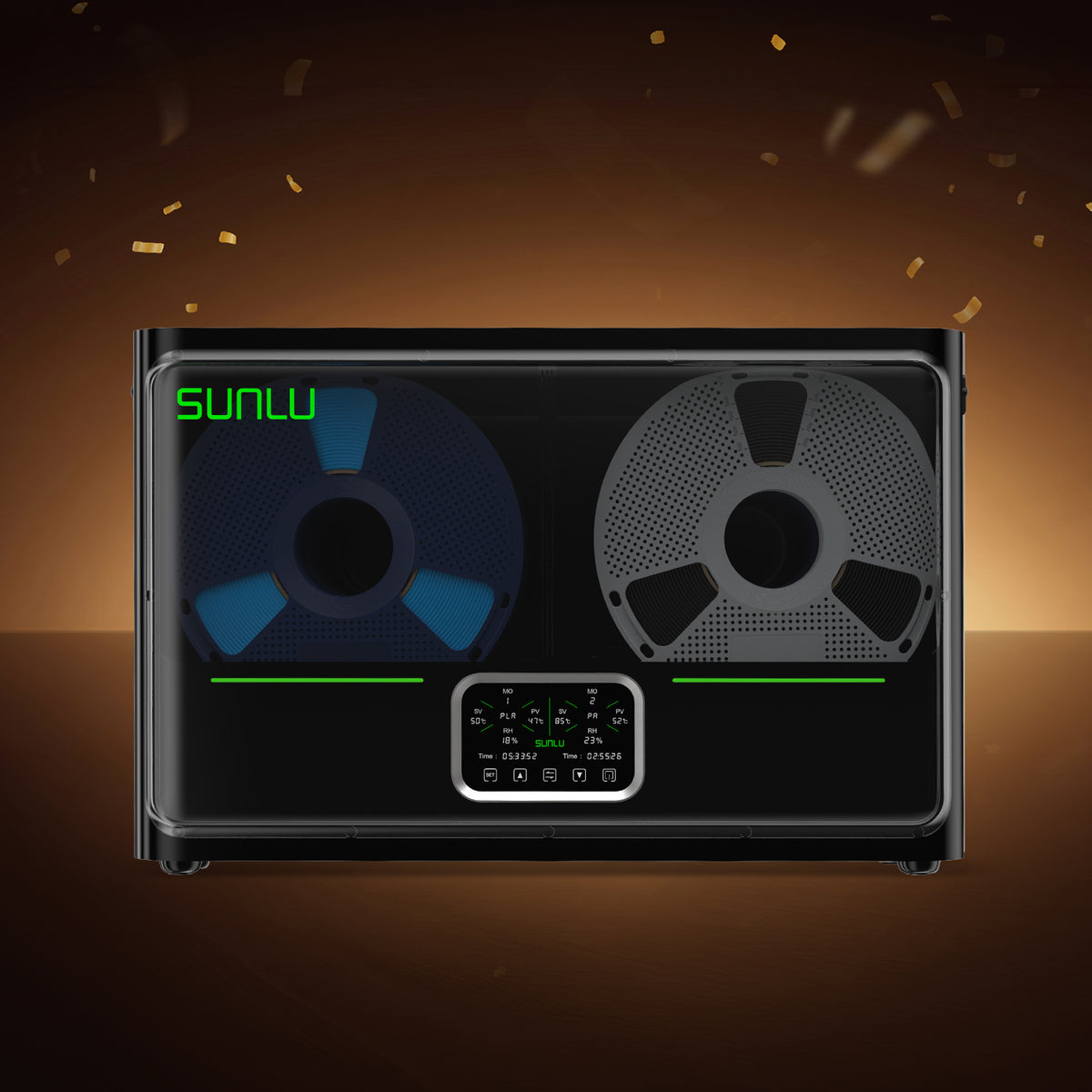
SUNLU FilaDryer S4 Pro, Dual-Zone Filament Dryer with Independent Temperature & Time Control, 85℃ Max Temperature, Drying & Annealing 2-in-1, Fits 4 × 1kg…
[Smarter Drying, Better Printing] The SUNLU FilaDryer S4 Pro is designed to help makers and professionals keep filaments dry, stable, and ready to print.
$139.99
Shop →Best for surface texture
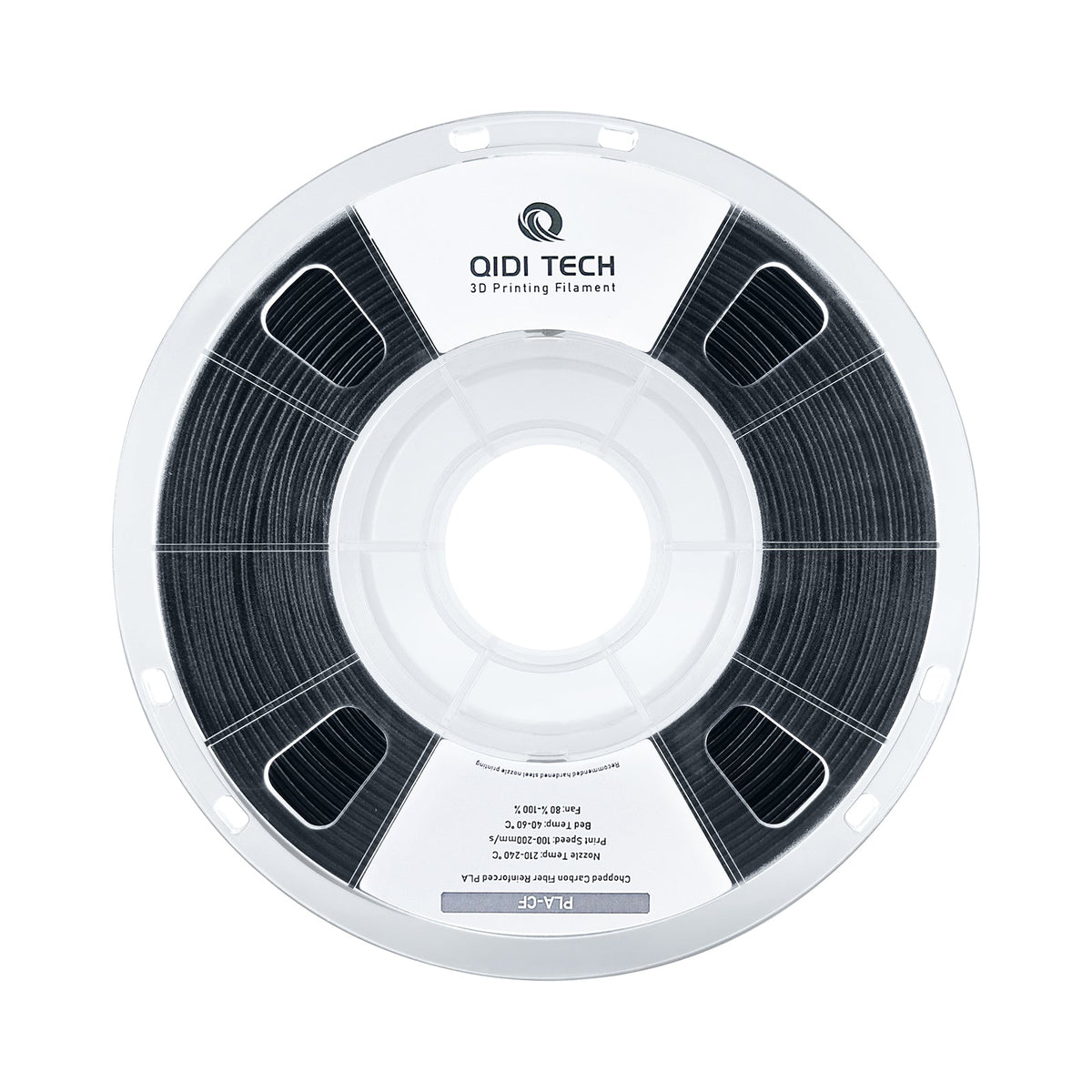
QIDI Tech
PLA-CF Filament
Overview: QIDI PLA-CF is chopped carbon fiber reinforced PLA FDM material. PLA-CF is easy to print and beginner-friendly like regular PLA. High-quality and affordably priced. The surface of the model will have a carbon fiber matte texture.
$34.99 $29.99
Best matte finish
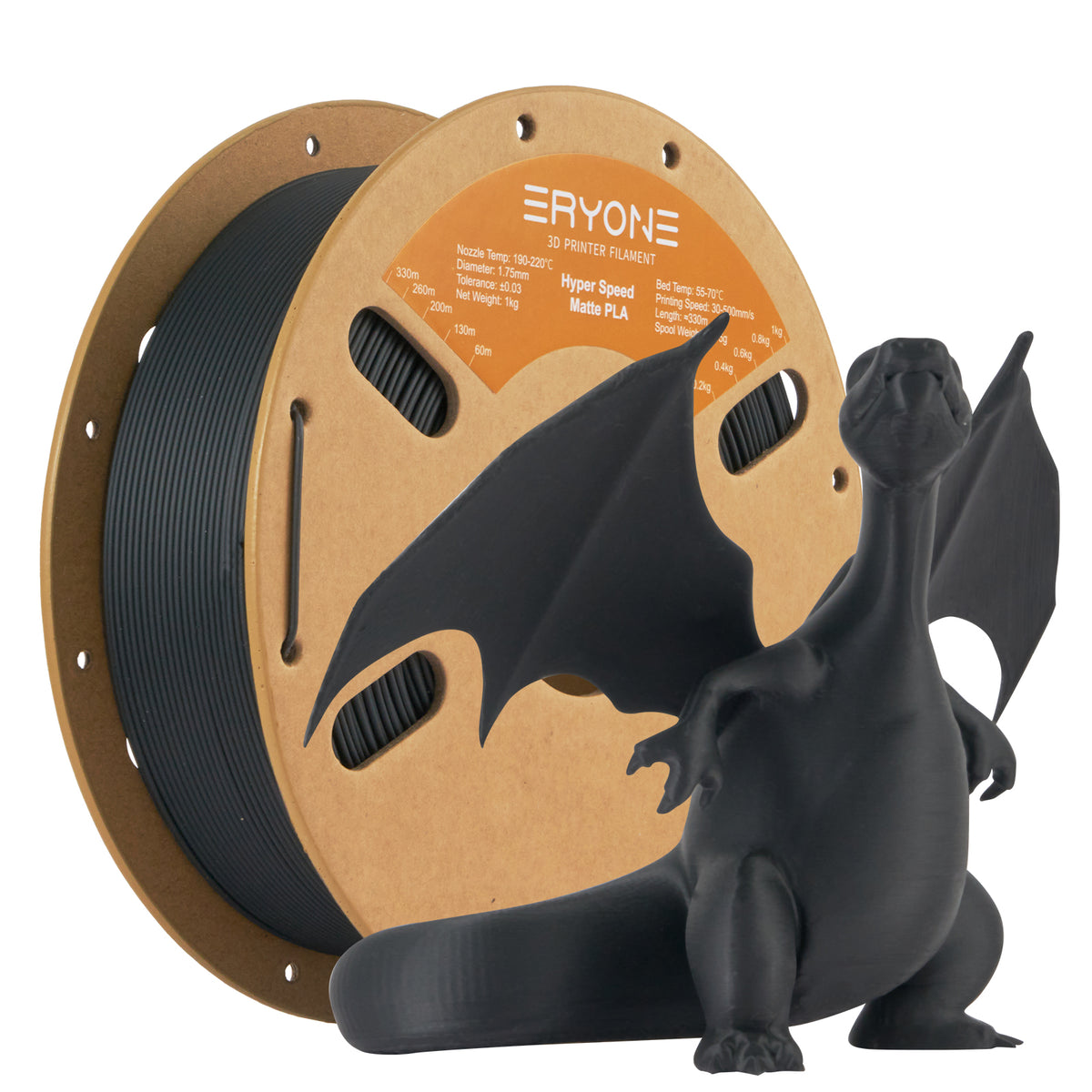
ERYONE
PLA Matte High Speed Filament - 1.75mm±0.03mm (1kg)
ERYONE High Speed Matte PLA review by Parliamo di Maker Matte PLA review by INOV3D Feature: The surface of the print has a matte (matte) effect, which is suitable for printing artwork.
$32.99
Shop →Best for colour effects
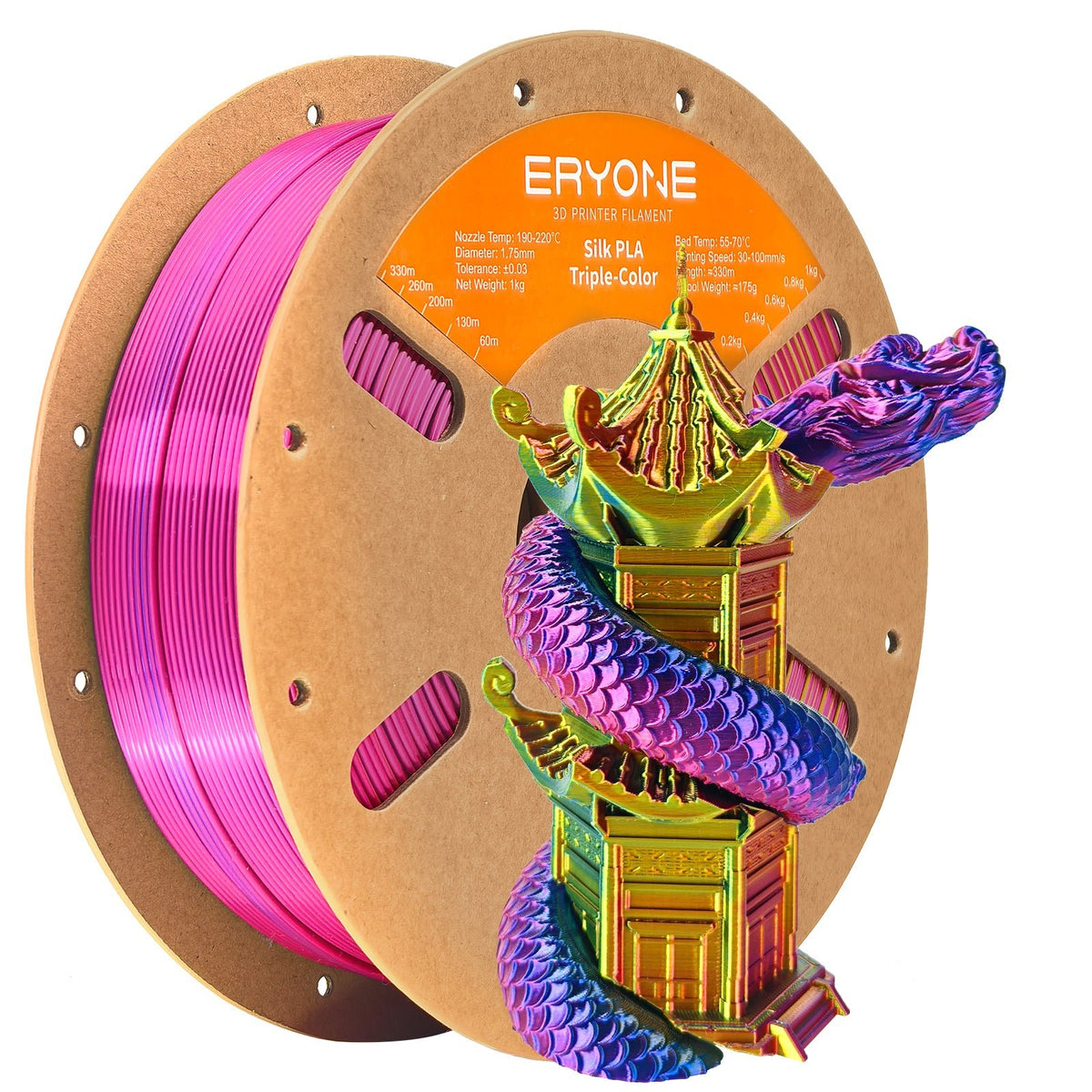
ERYONE
PLA Silk Triple-Color Filament - 1.75mm±0.03mm (1kg)
Are you be hesitated because of high price for 1kg spool? WE offer samples with lowest budget that you can try aewsome filaments! ERYONE High speed Triple-Color Silk PLA IS COMING! Why choose ERYONE for your 3D Printing Needs?
$37.99
Shop →Best for lower-odour ABS
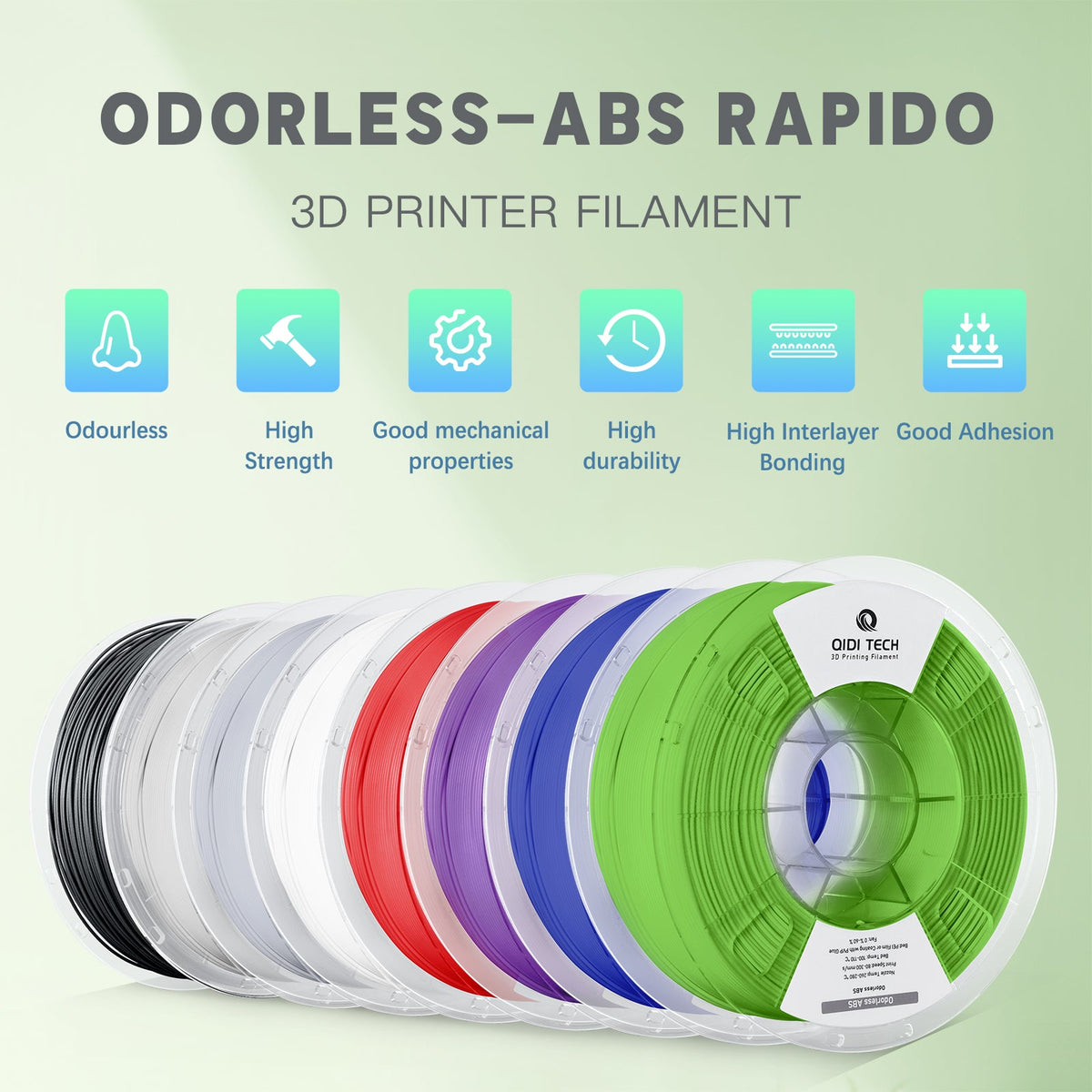
QIDI Tech
Odorless-ABS Rapido Filament
Qidi Odorless-ABS Rapido Filament Qidi Tech Odorless-ABS Rapido Filament is an ABS-based filament specially developed for 3D printing. Compared with other ABS filaments, it has a much lower odor and excellent mechanical properties.
$29.99 $21.99
We may earn a commission when you buy through our links. It never changes our verdict or your price. How it works
How we chose
This list covers five filaments and one filament dryer. We based every point on the product details published on each listing. We did not print test parts, weigh spools or measure drying performance ourselves, so treat this as a reading of listed specifications and brand claims rather than hands-on experience.
We favoured products with clear listed details such as diameter, tolerance, colour range and temperature limits, and products where the brand explains what the material is meant to do. Where a listing skipped something a reader would expect, such as printing temperature or drying time, we say so rather than fill the gap.
You can also browse the wider ranges on the brand pages: ERYONE, SUNLU and QIDI Tech. Each brand lists filament, and SUNLU also lists a filament dryer.
The picks
1. SUNLU PLA+ filament (best value)
The SUNLU PLA+ filament earns its place as a general-purpose option. PLA+ is offered in a wide colour range, from black, white and grey to mint green, cherry red and ceramic white. The brand says the spool is wound neatly with no knot, which it presents as a way to improve printing efficiency. In this group it sits in the budget part of the range, and the listing shows a sale price below its usual price.
It suits makers who want an everyday colourful filament and value a tidy spool. The main drawback is that the listing gives no printing temperature, bed temperature or moisture guidance, so check the settings you need before you start printing.
2. SUNLU FilaDryer S4 Pro (best for drying and storage)
The SUNLU FilaDryer S4 Pro is the only accessory in this list. It is described as a dual-zone dryer with independent temperature and time control, a listed maximum of 85 degrees Celsius, and two functions, drying and annealing. The contents listed include a power cable, a user manual, two 1 m PTFE tubes and an accessory kit.
It suits makers who keep several spools and want to dry them before printing. Its drawbacks are that it is the most expensive item here, the product title is cut off so the stated capacity is unclear, and the listing does not say how long drying takes. It also includes parts such as stainless steel shafts and bearings without explaining their use.
3. QIDI PLA-CF filament (best for surface texture)
The QIDI PLA-CF filament is a PLA blend with chopped carbon fibre. The listing describes a carbon fibre matte surface, minimised layer lines, improved mechanical properties and stabilised dimensions. It also says the material is beginner-friendly, in line with regular PLA, and it comes in five colours.
It suits makers who want a textured, matte look from a PLA-based material. The main caution is that the listing does not quantify the mechanical improvement and does not state printing settings or whether a particular nozzle is needed. Check your printer's requirements before you buy.
4. ERYONE PLA Matte High Speed filament (best matte finish)
The ERYONE matte PLA filament is marketed for a matte surface that suits artwork. The listing gives a printing temperature of 190 to 220 degrees Celsius, a heated bed range of 55 to 70 degrees Celsius and a printing speed range of 30 to 500 mm/s. It is available in a range of plain and twisted colour finishes.
It suits makers who want a matte look and like having a wide speed range to work with. The drawbacks are that the speed range is very broad and the listing does not explain print quality at the upper end. Shipping is limited to the US, EU, UK and Canada, each to its own region. The listing also mentions third-party reviews; we have not verified them.
5. ERYONE PLA Silk Triple-Color filament (best for colour effects)
The ERYONE triple-colour silk filament carries three colours in one strand. The listing says the colour change shows on three sides of a print. It is 1.75 mm with a stated tolerance of plus or minus 0.03 mm, and the spool is packed with vacuum storage bags.
It suits makers who want a multi-colour finish without changing spools. The main drawbacks are that the visual result will depend on the print, the listing gives no printing settings, and the listing copy is loose in places. The type field also reads as a printer accessory rather than a filament, so confirm the product type before ordering.
6. QIDI Odorless-ABS Rapido filament (best for lower-odour ABS)
The QIDI Odorless-ABS Rapido filament is an ABS-based material. The brand says it has a much lower odour than other ABS filaments and good mechanical properties. It is listed in nine colours.
It suits makers who want ABS properties and are concerned about smell. The drawbacks are that the odour claim is the brand's own and has not been checked here, and the listing does not give printing temperatures, enclosure guidance or ventilation advice. Check those details before printing.
How to choose between them
Start with the material you need. PLA and PLA+ are the simplest choices in this group. The QIDI PLA-CF filament is the best fit if you want a carbon fibre texture, while the QIDI ABS filament is the one to consider if you need an ABS-type material.
Next, think about storage. If you keep several spools and want to dry them, the SUNLU dryer is the only accessory here. Compare its cost against how many spools you use.
Then check the details that matter for your printer:
- Printing temperature and bed temperature, which several listings do not state.
- Shipping region, since ERYONE and SUNLU list specific countries.
- Colour range, which varies widely between the options.
Finally, compare current prices on the listings themselves. Sale prices change, so the price band on a listing may not match what you see today.
Our verdict
For most home makers starting out, the SUNLU PLA+ filament is a sensible, budget-friendly choice with a broad colour range. The SUNLU dryer is worth a look if humidity or spool storage is a concern, though its cost and unclear capacity are worth weighing. The QIDI and ERYONE options each suit a particular finish or material, and all of them need their print settings checked, since many listings leave those out.
Before you decide
The short version
A good fit if you…
- want an everyday filament with a wide colour range
- keep several spools and want to dry them before printing
- want a matte, textured finish from a PLA-based material
- want ABS properties with a lower listed odour
Look elsewhere if you…
- need printing temperatures and settings listed on every product
- need guaranteed shipping to your country, as some brands limit regions
- want a full range of accessories beyond a single dryer
Our verdict
For most home makers, the SUNLU PLA+ filament is a sensible starting point with a broad colour range and a budget-friendly price band. The other picks each suit a specific need, such as drying, texture, matte finish, colour effects or lower-odour ABS. Check the printing settings and shipping region on each listing before you buy, since several leave those details out.
Questions people ask
Do these listings state printing temperatures?
Some do. The ERYONE matte PLA lists 190 to 220 degrees Celsius and a heated bed range of 55 to 70 degrees Celsius. Several others, including the SUNLU PLA+ and both QIDI products, do not list printing temperatures in the details provided.
Where can I buy these products?
Shipping depends on the brand. The ERYONE products list the US, EU, UK and Canada, each to its own region only. The SUNLU products list the USA, Europe, Canada and Australia. Shipping details for the QIDI products are not listed in the information provided.
Is the SUNLU FilaDryer S4 Pro the only accessory on this list?
Yes. It is the only accessory in this group. It is a dual-zone dryer with independent temperature and time control and a listed maximum of 85 degrees Celsius. Drying times and the exact capacity are not clear from the listing.
Is the ERYONE triple-colour silk filament suitable for most printers?
The listing says it is compatible with most commonly used 3D printers. It is 1.75 mm with a stated tolerance of plus or minus 0.03 mm, but the listing does not give printing settings, so check them against your printer.